
The Special Education department is crucial to the success of many students at Central High School.
Although it may not be widely known, Central High School has a thriving special education program that ensures students with disabilities receive quality schooling that is tailored to their individual needs. According to the SD Report Card, students with disabilities made up 13.4% of Central’s student body in 2023, around 237 students in total.
Students qualify for an IEP (Individualized Education Plan), if they show difficulties learning in general education classes due to some sort of emotional, cognitive, learning, or other disability. Students, parents, and teachers work together to form a specific student’s IEP. Because there is such a diverse range of skills and abilities within the population of students with disabilities, this plan is built around the student’s own personal needs, and no one student’s IEP is going to look exactly like someone else’s.
Teachers do their best to avoid separating students based on their different abilities, which is why most students with IEPs are actually not in special education classrooms. “We strongly believe in inclusion and try to have our students in general education classes,” said CHS special education teacher Kelsey Koepp. To help students with diverse abilities, most general education classes have additional teachers available. There are special education teachers in the English and Math departments, and paraprofessionals, or paras, in the Science and History departments that help students stay on track with their IEP.
An IEP can be as simple as ensuring that a student is seated away from distractions like windows, or closer to the front of the classroom. Sometimes other accommodations are made, such as permitting IEP students to use notes on a test. Oftentimes, an IEP is designed using “differentiation,” which adjusts teachers’ existing curriculum to better match students’ personal learning needs. For example, a student may do well with learning through listening and observing, but have a hard time with reading. An IEP can take this into account and adjust a teacher’s curriculum accordingly, or have a para to help that student.
“We are more alike than different. We can all figure out commonalities, it doesn’t matter your ability level.”
Kelsey Koepp
The special education program at Central has four main departments: The Learning Center, Behavioral Skills, Structured Academics, and Life Skills. Students that may need some additional help but can stay primarily in general education classrooms are a part of the first three departments. Overall, teachers try to place students with disabilities in general education classes, but this is sometimes not possible or just doesn’t make sense for students with higher needs or more severe cognitive disabilities. For these students the fourth department, Life Skills, is the more appropriate option. Which department a student is placed in depends on the disability and the amount of specialized help they need. For example, students with lower needs but who require some assistance with certain subjects may be placed in the Learning Center, whereas students with more pronounced cognitive abilities may have their classes based in Life Skills.
The Life Skills department focuses on teaching students functional skills they need to care for themselves and live with some level of independence. There are several different Life Skills classes including LS Math that teaches about time and money, LS Science that teaches about hygiene, the body and nutrition, and a communication instruction class that helps students with literacy. Another important class is LS Employability that teaches students how to do interviews and fill out job applications. This class also gives students the opportunity to help run the morning coffee shop and afternoon snack shop at CHS. In addition, Life Skills classes help students with disabilities learn what it means to live in a community, such as daily tasks like going to the bank and buying groceries that students may need to do after they graduate. Mr. Carcamo, Ms. Jones and Mrs. Hammerbeck all work in the Structured Academics department, but also teach the Life Skills classes at Central. Students in the Life Skills program have their core classes with these teachers, but may still have classes like art, PE, personal finance, and government in general education classrooms.
Under the Individuals with Disabilities Education Act, students with disabilities have the option to graduate with an alternate diploma as soon as they have the necessary credits or stay in school until they are 21. For students not going to college, one option after graduation is a workforce development program that helps them transition from the time they are 18 to 21 years old.
When asked if there was one thing she would like to say to the school, Koepp said, “We are more alike than different. We can all figure out commonalities, it doesn’t matter your ability level.” Hope Hammerbeck said, “Be open to learning about the world of special education. I would challenge people to learn and educate themselves more on disabilities.” She also thanked the students, staff and admin for making Central a place that welcomes students of all abilities and creates an environment for them to thrive in.
 The Pine Needle
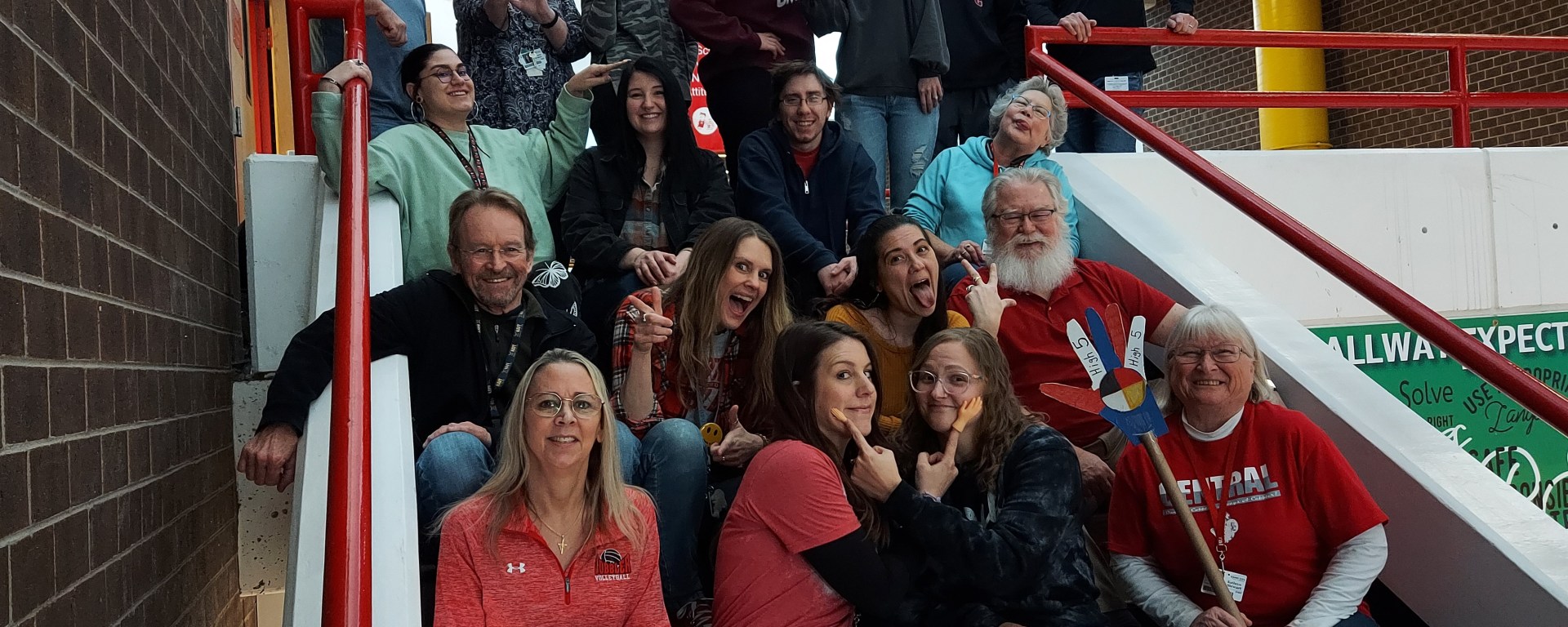
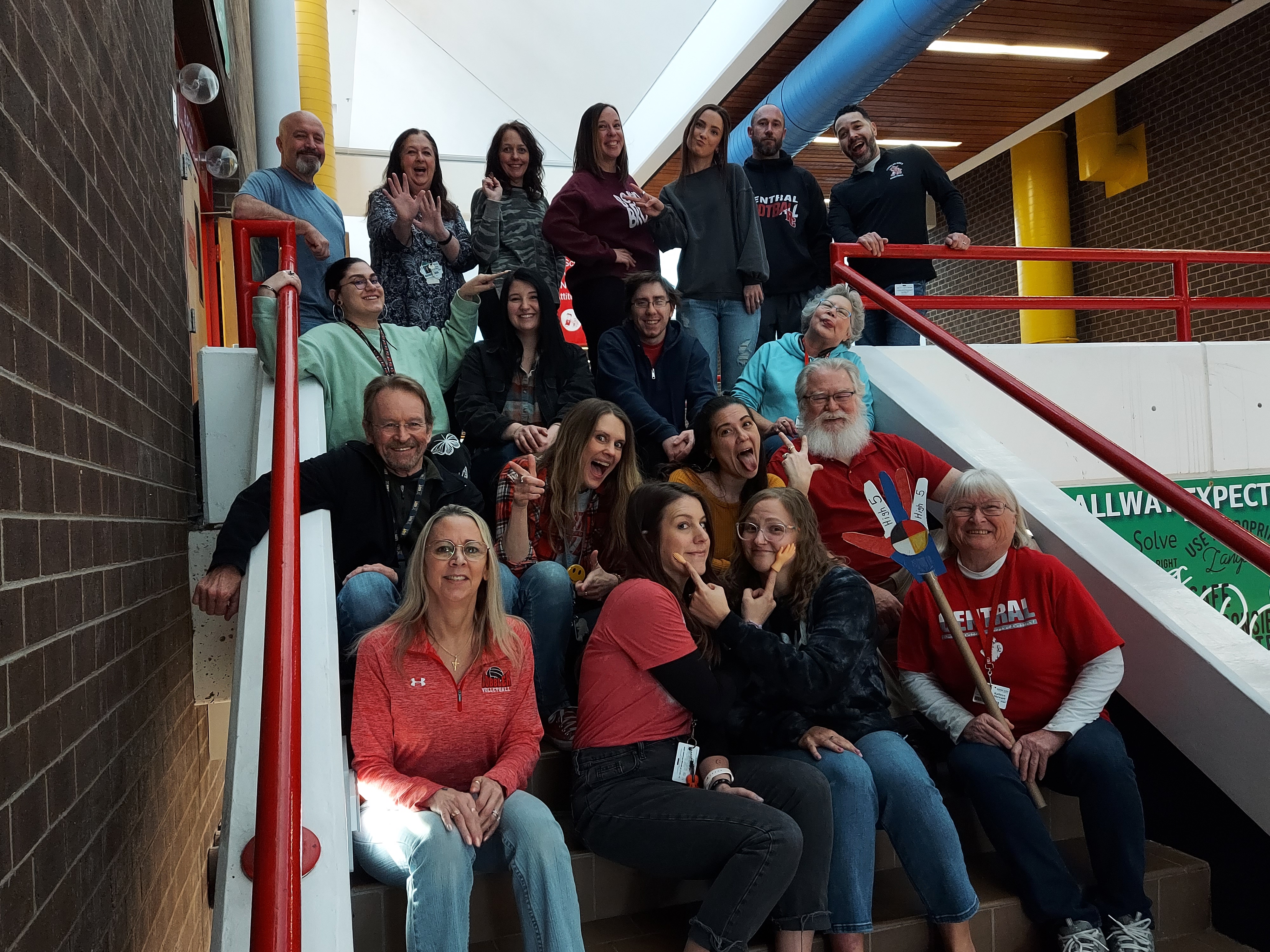
These are awesome folks. Give them a “high-five” when you see them and tell them thank-you.
DeeLH