
Does an artist’s poor character ruin the art? Can you still like art made by a villain?
I was talking to a friend recently, and we began discussing music. We were talking about music artists whose music we found enjoyable.
“I’m a big fan of Michael Jackson,” I said.
“But he was a pedophile,” my friend responded.
This stuck with me. Was I not allowed to like an artist’s music simply because they weren’t the greatest human being? Is Thriller no longer eligible for the best album of all time simply because of what Michael did? Should the music be considered with the creator, or should the art be considered separate from the artist?
This is not a modern issue. All throughout history, beautiful works have come from awful people. For example, Beethoven was short-tempered and abusive, yet he is regarded highly for his beautiful pieces like “Symphony Number 5” and “Ode to Joy.” Barely anyone knows him for who he was, they know him for what he created.
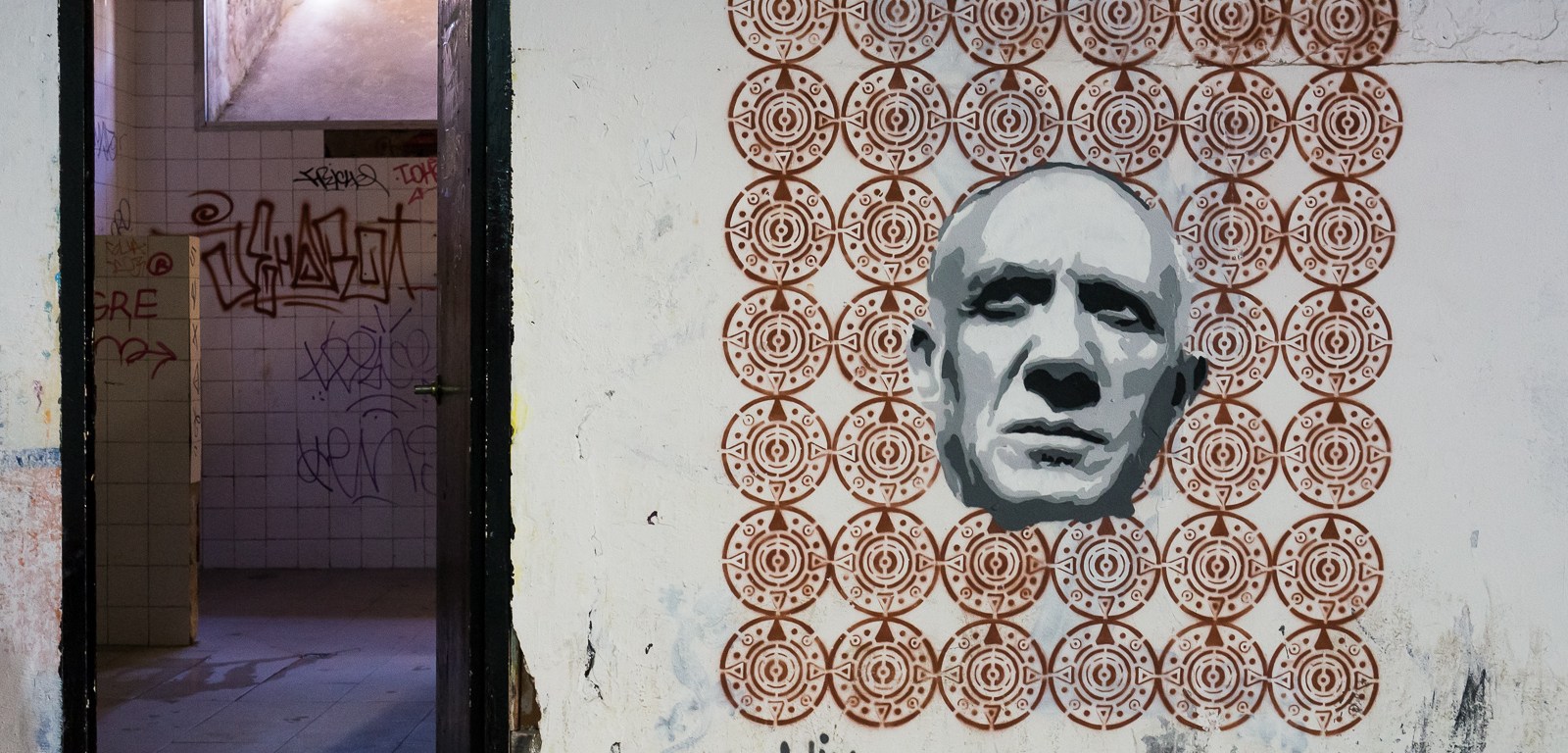
Pablo Picasso was a very important figure in the early 20th century. He created an entire new genre and created so many iconic paintings, like the Old Guitarist. However, he was horribly cruel and even abusive towards women. I never knew this before learning about him more, but that doesn’t change my thoughts on his beautiful paintings. The art speaks louder than the artist.
The inverse is also true. Sometimes great people make something bad. Many great artists don’t always hit the mark with their art, but because the artist is great does that mean that the art is automatically good? The problem with humanity is that we love to categorize things, and we don’t like it when things don’t line up. Art is so rarely easy to categorize, and the artists could be in a completely different category. So, should we separate the art from the artist?
I would argue, yes, we should.
Say someone creates a song that is so popular, everyone in the world knows and loves it (such a song would be impossible to create, but for the sake of the point, let’s roll with it). Say the whole world is changed because of this song. If the artist is later convicted for some crime against humanity, does that suddenly mean the song is bad? No, nothing about the song has changed. It’s still the same song as it was. However, many people would still say that it was a bad song, simply because it came from a bad person.
Is this fair? Is it fair to strip a piece of art of its relevance simply because the creator is not a good person? Is it fair to change something from “good” to “bad” when nothing about it has changed? I don’t think it is. Why must we bury the impact it had simply because of one person’s actions? The art didn’t commit the crime, so why should it be punish it as if it did?
The beautiful thing about art is that it is essentially immortal. In hundreds of years, the art will still be exactly the same as it was. It will still be good or bad. But the name attached to that art will become simply that: a name. A name, with no meaning, no connections to anything other than that art. A name that doesn’t matter.
I like to think of how modern art will be perceived in the future. Will people still like the same songs that are popular now, even without the modern names to go along with them? Will Michael Jackson’s music still be enjoyed without his name attached? I don’t know if that will happen, but I hope what’s popular now will be enjoyed in the future. Without the context of the times they were written, art takes on a new meaning. The motives and original ideas of the original authors have passed away, leaving only the purest form of the creation. This allows others to create their own opinions and come to their own conclusions. That’s what makes art so special.
“Picaso” by r2hox is licensed under CC BY-SA 2.0.
 The Pine Needle